
Short Answer
- Duncan, candy cane/trumpet, some hammers, frogspawn, favia-type, and some chalice corals are common beginner LPS candidates.
- Beginner does not mean no aggression; many LPS need spacing from neighbors.
- Moderate light and moderate flow are common starting points, but each coral type differs.
- Choose LPS by care fit and health, not just color or store popularity.
Common beginner LPS types
The best beginner LPS is not the easiest name to recognize. It is the coral whose placement, aggression, feeding, and growth fit your actual tank.
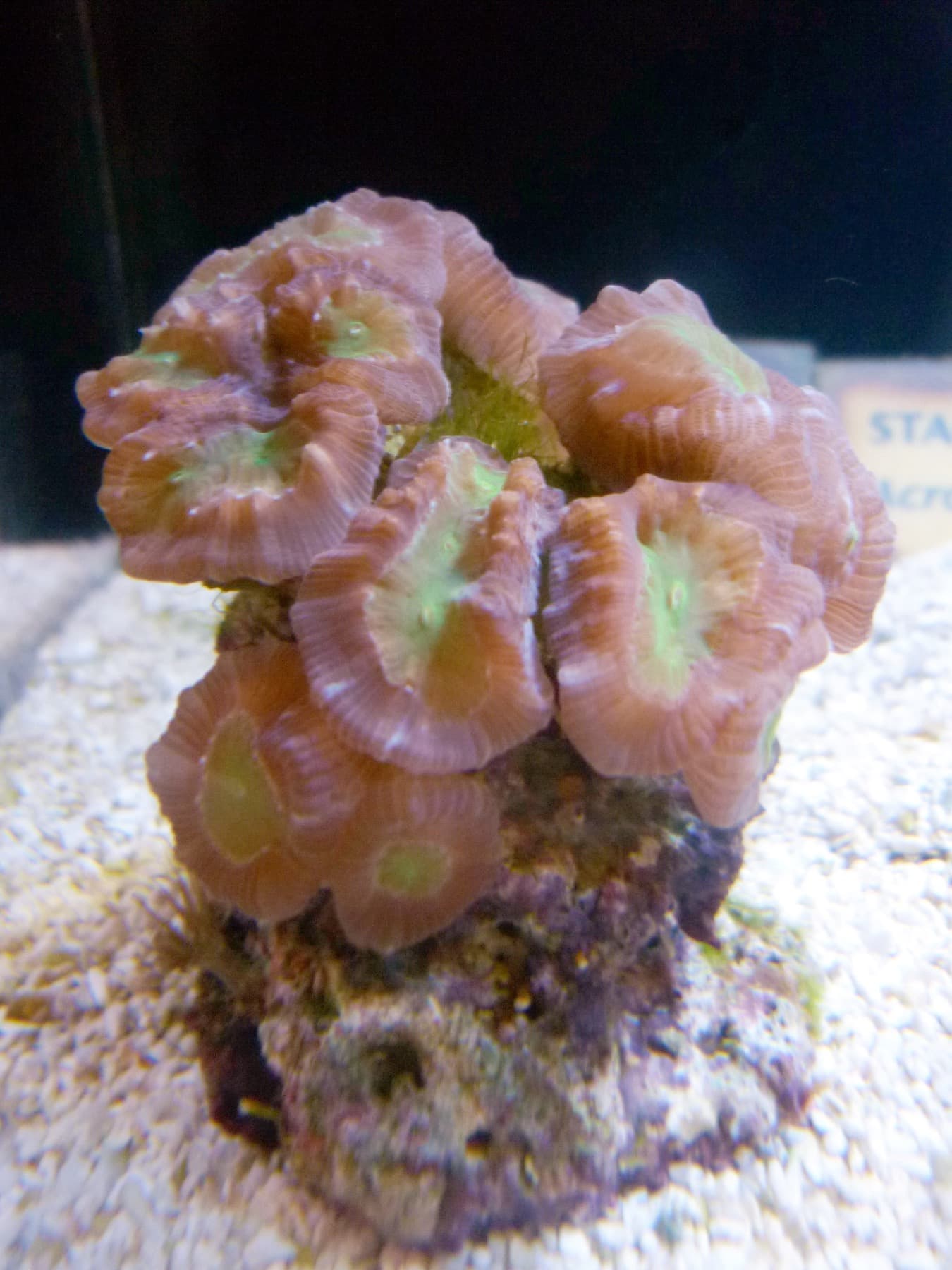
Duncan corals are often forgiving. Candy cane or trumpet corals are recognizable by separate fleshy heads. Hammer and frogspawn are popular but need space. Favia-type and chalice-style corals may be hardy but can sting neighbors.
Beginner LPS comparison
| Coral type | ID clue | Care caution |
|---|---|---|
| Duncan | Large heads on branching skeleton. | Moderate flow; do not blast polyps. |
| Candy cane/trumpet | Separate round fleshy heads. | Feed small foods, avoid tissue recession. |
| Hammer/frogspawn | Flowing tentacles with shaped or branched tips. | Leave space for sweepers and expansion. |
| Favia/chalice-type | Mouths, eyes, or corallite texture. | Can be aggressive at night. |
Starting numbers for beginner LPS
- Light: many beginner LPS start around 75-175 PAR, then adjust slowly.
- Flow: gentle-to-moderate or moderate indirect flow is safer than direct blasting.
- Feeding: 1-2 light feedings per week can help some LPS, but nutrient trends matter.
- Spacing: leave several inches around aggressive or expanding LPS.
Beginner LPS shortlist by tank maturity
| Tank context | Better candidates | Avoid until later |
|---|---|---|
| New but stable reef | Duncan, candy cane, hardy favia-type | Elegance or expensive torches. |
| Moderate mixed reef | Hammer, frogspawn, Duncan, chalice with spacing | Very aggressive LPS in crowded rockwork. |
| Nutrient-swinging tank | Hardier LPS after stability improves | Freshly cut or damaged fleshy LPS. |
Where AI helps beginners choose LPS
AI can help identify likely LPS groups from a frag photo and warn about lookalikes. It cannot tell whether your tank is mature enough or whether the coral has hidden damage.
Try Coral Identifier on your own tank photos
Capture a clear photo, review likely matches, and build better coral ID confidence over time.
Identify on the App StoreSources
References and further reading
FAQ
Frequently asked questions
01What LPS corals are best for beginners?+
Duncan, candy cane/trumpet, and some hammer or frogspawn corals are common beginner LPS options when the tank is stable and spacing is planned.
02Do beginner LPS corals need feeding?+
Some benefit from occasional small meaty foods, often 1-2 times per week, but overfeeding can raise nutrients.
03How much light do beginner LPS corals need?+
Many do well around 75-175 PAR as a starting range, but species and acclimation matter.
04Can LPS corals sting each other?+
Yes. Many LPS can sting neighbors, so leave expansion room and watch for sweeper tentacles.