
Short Answer
- Chalice is a practical hobby label, not one single narrow genus in everyday store use.
- Look for encrusting or plating LPS tissue with visible eyes or mouths across the surface.
- Do not confuse chalice with plating Montipora; chalice usually looks fleshier and has more obvious eyes.
- Give chalice corals space because many can extend sweepers, especially at night.
How to recognize chalice corals
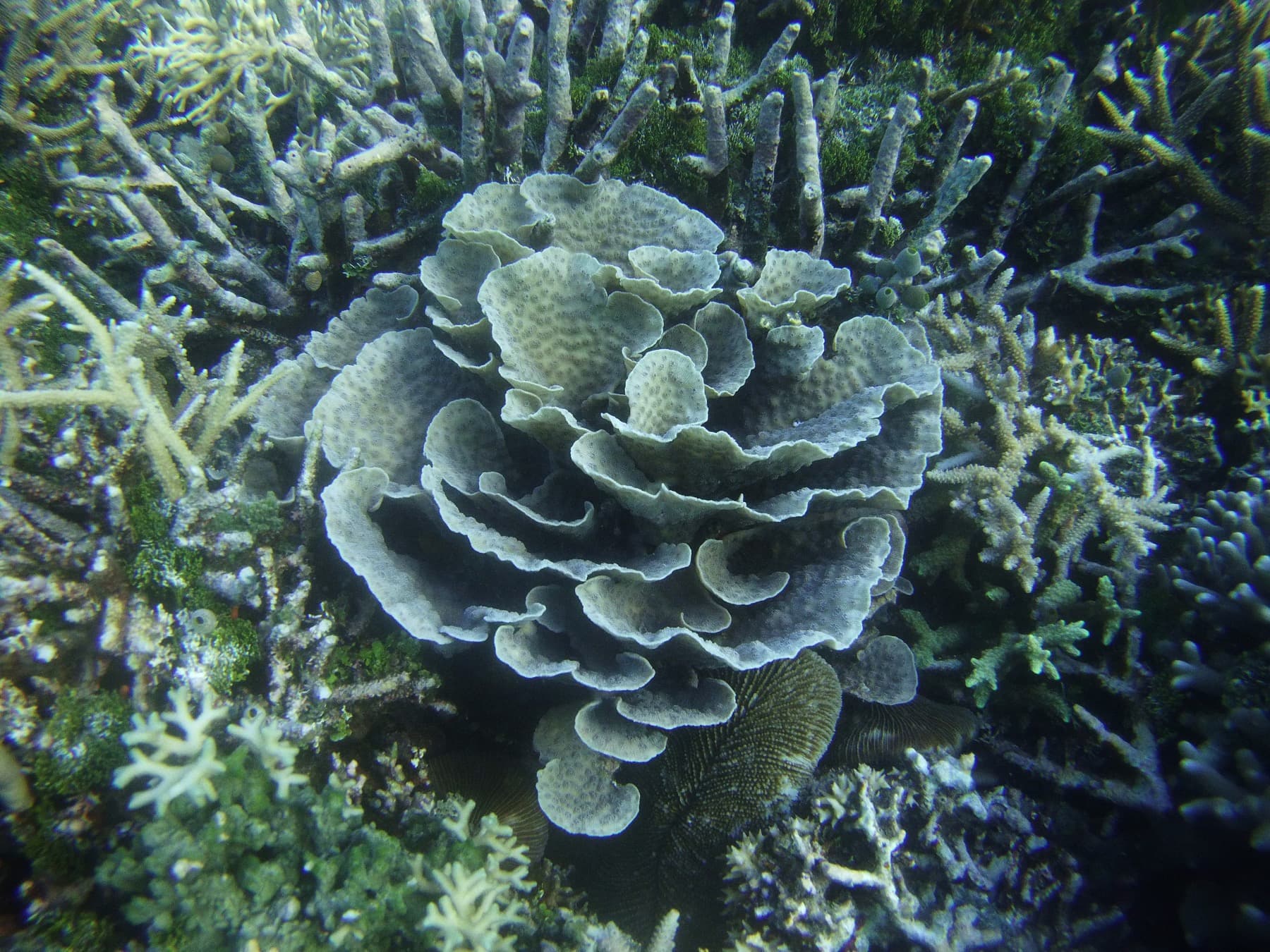
Chalice corals often grow as plates, cups, or encrusting sheets with colorful tissue and visible eyes. They can be thin like a plate but still look fleshier than SPS plating corals.
The easiest mistake is treating every plating coral as chalice. Compare the surface: chalice corals typically have larger visible eyes or mouths and a more LPS-like tissue layer.
Chalice coral vs common lookalikes
| Comparison | Chalice clue | Lookalike clue |
|---|---|---|
| Chalice vs Montipora | Fleshier tissue and visible eyes. | Small SPS polyps and thin rim. |
| Chalice vs Favia-type | Often flatter plating/encrusting growth. | More obvious individual corallites. |
| Chalice vs Leptoseris | Often thicker tissue and eyes. | Usually thinner delicate plating texture. |
| Chalice vs generic plating coral | Mouths, sweepers, and LPS tissue. | Shape alone is not enough. |
Care context and spacing
- Many chalice corals do well in low-to-moderate or moderate light, often around 75-175 PAR as a cautious starting range.
- Moderate flow is usually enough; too much direct flow can irritate tissue.
- Keep several inches of spacing from neighbors because sweepers can extend beyond the visible plate.
- Target feeding small meaty foods can help some specimens, but overfeeding can raise nutrients.
Aggression check before final placement
- Leave space around chalice-style corals because sweepers can extend beyond the visible tissue at night.
- Avoid placing a new chalice directly beside slow-growing SPS or fleshy LPS until behavior is observed.
- If the coral inflates or sends sweepers after feeding, treat spacing as part of the care plan, not just the ID.
Photo method for chalice ID
Use a side angle to show plate thickness and a close-up to show eyes. Blue light can make eyes glow while hiding tissue texture, so take a reduced-blue photo before deciding.
Try Coral Identifier on your own tank photos
Capture a clear photo, review likely matches, and build better coral ID confidence over time.
Identify on the App StoreSources
References and further reading
FAQ
Frequently asked questions
01How do I identify a chalice coral?+
Look for plating or encrusting growth with fleshy tissue, visible eyes or mouths, and LPS-like texture. Shape alone is not enough.
02Is chalice coral LPS or SPS?+
In reef hobby care language, chalice corals are generally treated as LPS-style corals because of their fleshy tissue and feeding/aggression behavior.
03How much light does chalice coral need?+
Many chalice corals are started around 75-175 PAR, then adjusted slowly. Too much light too fast can cause stress or fading.
04Can chalice coral sting other corals?+
Yes. Many chalice corals can extend sweepers, especially at night, so leave space around them.