
Short Answer
- A corallite is the skeletal cup or structure associated with an individual coral polyp.
- Branch tips, shared or separate walls, plates, valleys, and growth edges can all improve stony coral ID.
- Skeleton clues are often hidden by inflated tissue, blue lighting, or top-down photos.
- Use skeleton evidence to choose the most honest confidence level: group, genus, or species.
Why skeleton clues matter
Hard corals produce calcium carbonate skeletons, and those skeletons create many of the shapes reef keepers use for ID. Even when tissue is colorful, the skeleton often explains the growth pattern underneath.
A coral's corallites, walls, branches, and plates can be more stable evidence than color, especially under aquarium lighting.
Skeleton clues and what they suggest
| Skeleton clue | What it helps with | Example use |
|---|---|---|
| Axial corallite | Branching SPS ID. | Supports likely Acropora. |
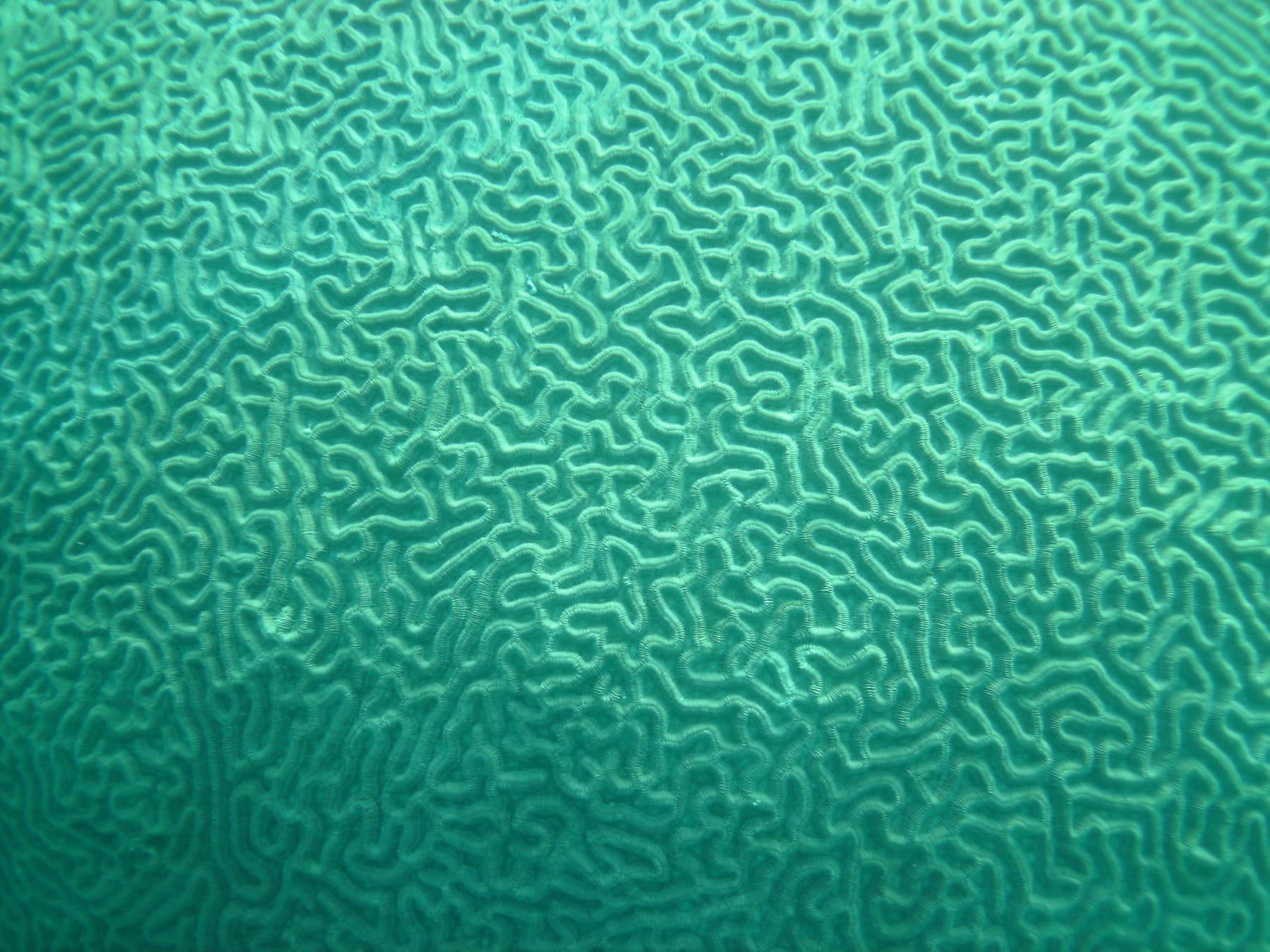
| Shared vs separate walls | Brain coral comparisons. | Helps compare Favia-type and Favites-type. |
| Thin plate edge | Plating coral ID. | Separates Montipora-like SPS from fleshier LPS. |
| Wall or branching skeleton | Euphyllia-style LPS context. | Helps compare torch, hammer, and frogspawn colonies. |
How to photograph skeleton clues
- Use a side angle to reveal branch, wall, or plate thickness.
- Use reduced-blue lighting so texture is visible.
- Photograph the base or broken edge only if it is already visible; do not damage coral for ID.
- Compare open and slightly less-inflated states when tissue hides walls.
Mini glossary for skeleton-based ID
| Term | Plain meaning | Why it helps |
|---|---|---|
| Corallite | The skeletal cup or structure associated with a polyp. | Useful for SPS and many brain-coral comparisons. |
| Wall | Skeletal boundary between polyps or valleys. | Helps compare Favia-type and Favites-type patterns. |
| Septa | Radial skeletal ridges inside corallites. | Can support closer stony coral comparisons when visible. |
Where AI helps with skeleton clues
AI can help identify which skeleton clue might matter, but it cannot infer hidden structure from a photo that does not show it. If the skeleton is covered by tissue or cropped out, confidence should stay low.
Try Coral Identifier on your own tank photos
Capture a clear photo, review likely matches, and build better coral ID confidence over time.


Sources
References and further reading
FAQ
Frequently asked questions
01What is a coral corallite?+
A corallite is the skeletal cup or structure associated with an individual coral polyp in stony corals.
02Can coral skeletons identify species?+
Skeleton details can support identification, but species-level ID often needs multiple traits and expert references.
03Should I damage coral to see the skeleton?+
No. Use visible structure, side angles, and existing edges. Do not damage a living coral for hobby ID.
04Why are skeleton clues hidden in my photo?+
Inflated tissue, top-down angles, blue lighting, and tight cropping can all hide walls, corallites, and branch structure.
05Can I identify coral from a dead skeleton?+
Sometimes, especially for stony coral groups, but aquarium skeletons may be broken, eroded, or incomplete. Use skeleton clues with source context when possible.